
I think the way I think, and I write to reflect that.
Polly Atkin's (neurodivergent) notes on writing.

Hello and happy Friday,
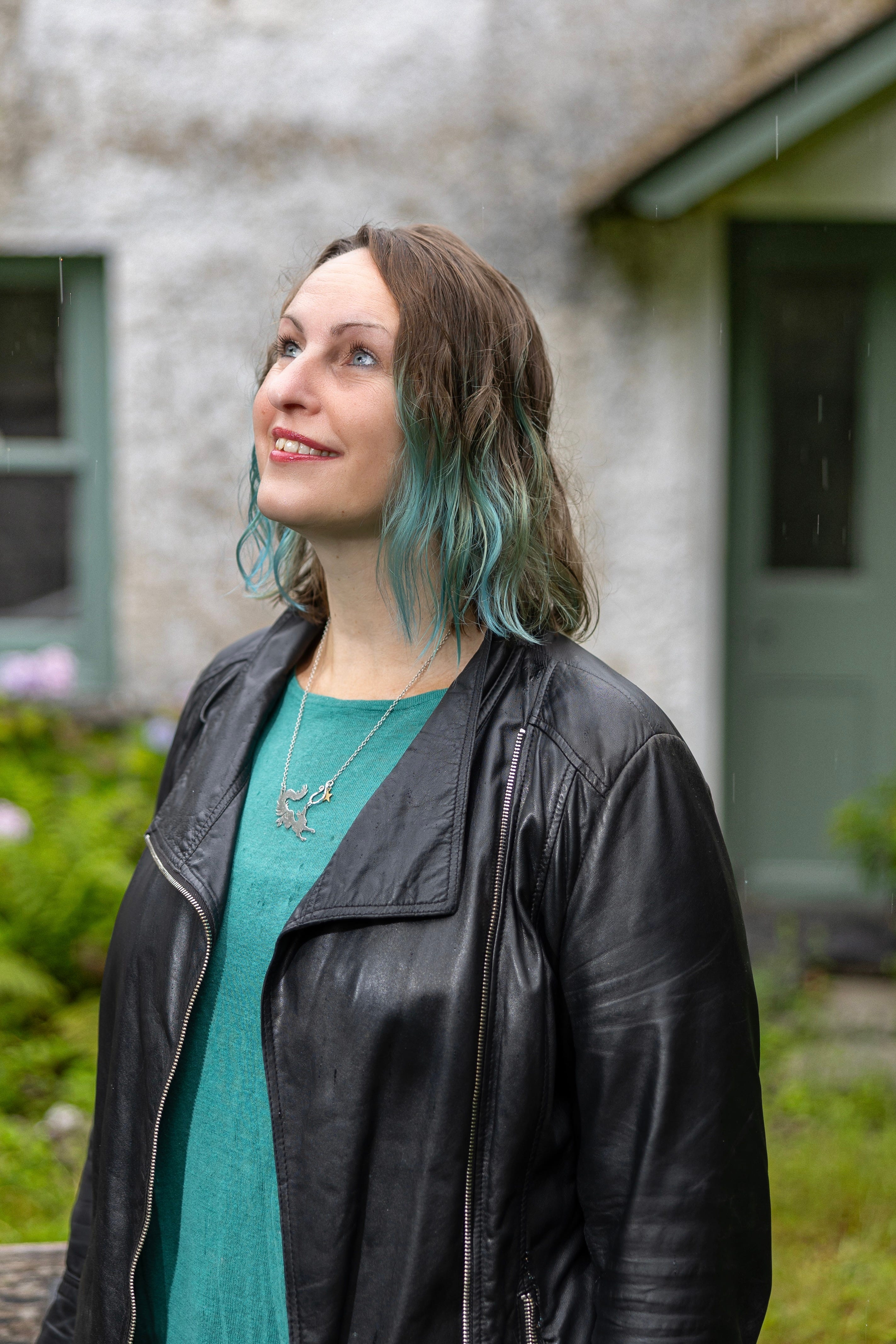
I’m so happy to have chatted to Polly Atkin, a writer whose work I have admired hugely for many years, for this iteration of the newsletter. Polly’s work is a must-read for anyone who feels let down by so much of the current landscape of 'nature’ writing which often centres neatly packaged stories with a clear narrative arc, particularly around disability and illness. This derives us of the messiness, complication and beauty of so many stories, and so much of what it means to confront received wisdom about ‘nature’ and the ‘natural’ in a time of climate crisis. I’m also really interested in Polly’s thoughts on how neurodiversity effects writing style as well as process. She says: “Stylistically, I’ve increasingly aimed to work with my tendency to be thinking about everything all at once rather than try and iron my thoughts out into something less networked and more consecutive.”
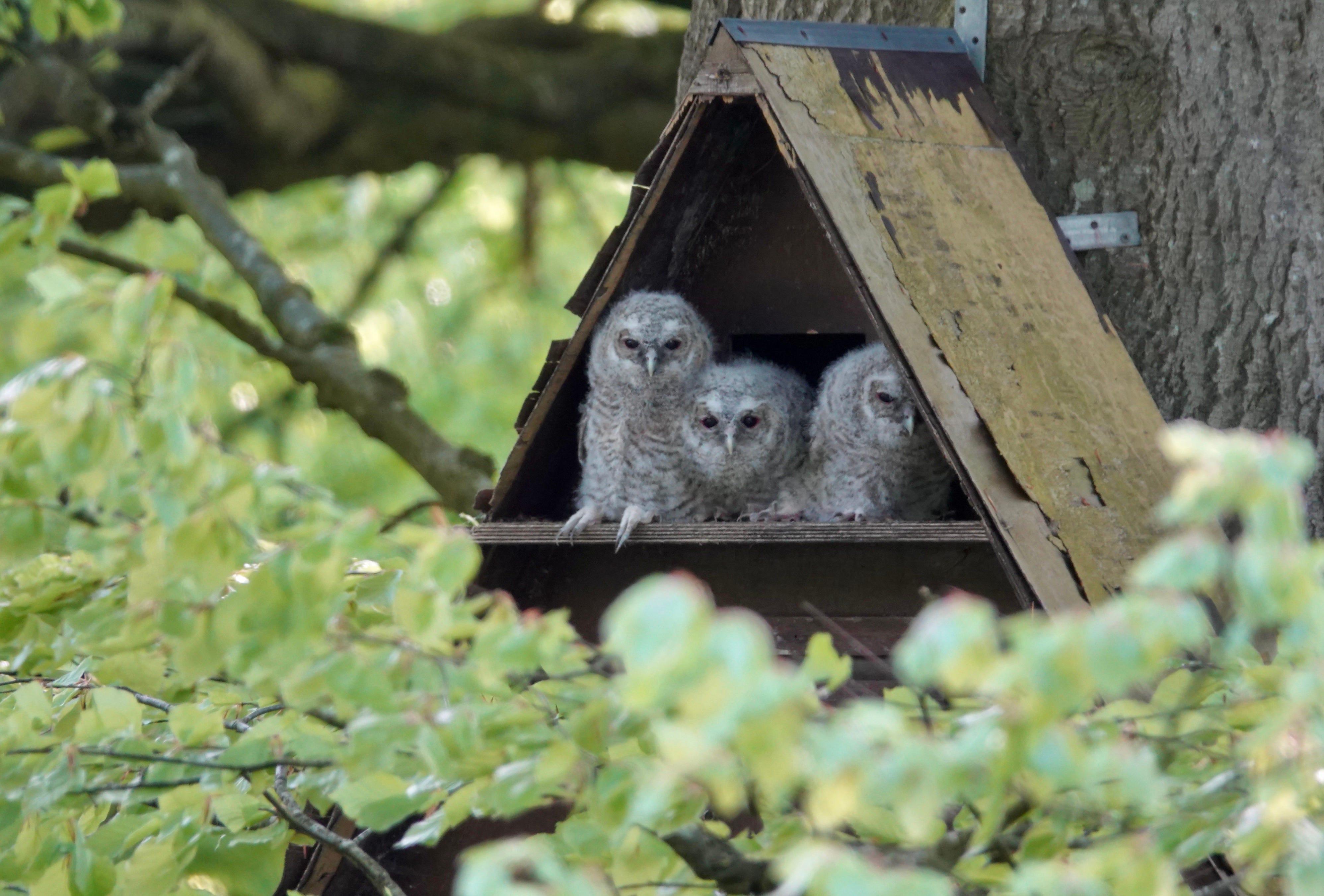
Polly’s work is so rich and nuanced, and she’s even shared one of her owl photos with us below! If you have thoughts about neurodivergent writing styles let me know in the comments. And if you’d like to come and see me and Tom Newlands speak next week you can catch us at The Book Nook in Stirling on October 7th and we’ll also be at Waterstones Kirkcaldy on October 6th.
Hey Polly! Tell us a bit about you and your work.
I’m mostly a poet and nonfiction writer. All my work centres around place, nature and disability in some way or other, whether its poetry, biography, memoir, nature writing, history, social criticism or a mix of all the above.
Does being neurodivergent impact your creative process? And if so how?
Definitely! In so many ways. I find it hard to tell where the impact of chronic illness on my working and thinking process overlaps with the impact of neurodivergence (both the conditions I know I have, and those I might suspect but don’t have confirmed) – for example, I’m I finding it impossible to reach the right word because of brain fog, or it is dyslexia? Am I struggling to think because I’m tired and in pain, or it is overwhelm, or a mix of both? I have a lot of issues with information processing and memory, and sometimes it’s really hard to get my thoughts to come out in a coherent way, even though they’re clear in my head. I’ve found I need to wait to let them come together by themselves, so with writing that often means thinking about something for a long time before it coalesces into something that is expressible.
I was diagnosed with dyslexia and dyscalculia when I was at university. I was really struggling with organising my work – both on a practical task by task basis, and in my conceptual thinking. I couldn’t organise my thoughts or structure them, and couldn’t get away with just blurting it all down, as I’d done through school. I did an English Literature BA but hardly used any secondary sources until my thesis in any essays because I didn’t understand how to use the library or find anything, and didn’t know how to explain what I was finding difficult or how. I was really lucky to be assigned a great support tutor who helped me with essay structure and organisation, and also to think of neurodiversity – although I didn’t know that term then – as a different useful way of thinking that could be incredibly creative and insightful, not as a problem to be solved.
Since then, especially in my creative work, I’ve tried to work with my ways of thinking and working, and not against them. For example, I can’t work with other people working around me, and I need a clean slate to be able to really concentrate on something – other tasks that need doing just stop me being able to write. Doing one other thing in a day can disrupt my headspace and stop me being able to write. It can take me all day to clear out my head enough to have a few good writing hours before bed, and I spend a lot more time than I’d like doing this – easing myself into the right space to be able to do the work. But if I do clear the slate, I can get a lot written quickly, if I’ve given myself the time and space to gather my thoughts first. I’ve had to learn to trust that process.
How is neurodiversity a theme in your work?
I’ve not written much explicitly about neurodiversity, although it underpins all my work. I think the way I think, and I write to reflect that. Stylistically, I’ve increasingly aimed to work with my tendency to be thinking about everything all at once rather than try and iron my thoughts out into something less networked and more consecutive.
I have written in both my nonfiction and poetry about the impact of having my own idioglossia as a child – my own distinct language - and having to have speech therapy to convert me into speaking English.
Because of a lack of provision locally at the time, I’d already started school before I began speech therapy, and I’ve often thought that feeling of being perpetually misunderstood or discounted as having nothing useful to say is why I became a writer. I can control my words better on the page, but I can also make sure they’re there. I can make my voice heard.
What’s one piece of advice would you give to aspiring neurodivergent writers out there?
Find other writers who you trust who you can speak to if things get difficult. The things that are hard in publishing for neurotypical writers are even harder for neurodivergent ones – the lack of transparency, the uncertainty, the focus on personalities to sell books. It really helps to have trusted friends who understand the industry, and who you can share experiences with.
Is there a book (or other kind of art) by a neurodivergent artist that you love and you’d like to draw our attention to?
There are so many great books I could mention, I’ll try and stick to a few. This year I’ve really enjoyed Joe Harkness’ Neurodivergent By Nature. I think often about Joanne Limburg’s Letters to My Weird Sisters, and I found a lot of kinship in Wendy Pratt’s beautiful memoir The Ghost Lake. I think a lot of people could benefit from the wisdom in Leah Lakshmi Piepzna-Samarasinha’s books Care Work and The Future is Disabled.
What’s one thing the publishing industry could do to make things better and more accessible for neurodivergent writers?
Actually listen when we tell you what we need, and prioritise meeting those needs. So often I’ve told people the accommodations I need and they’ve been ignored because of time-pressures or lack of resources on the publishing side, or thinking it was a politeness and not a necessity, so I’ve had to work in ways that are distressing or actively damaging to my own health.
What are you working on at the moment?
I’ve got a third poetry collection out next spring with Seren, called Emergency Dream, and I’m working up to a final round of edits on that, but I’m also just finishing a short book about swimming for Saraband’s In The Moment series. It’s called Swimming The Seasons: A Freshwater Almanac, and is just a little journey through the year in swims in the lakes and rivers of the Lake District where I live. It’s out later next spring.
And lastly, how can readers of the newsletter support your work?
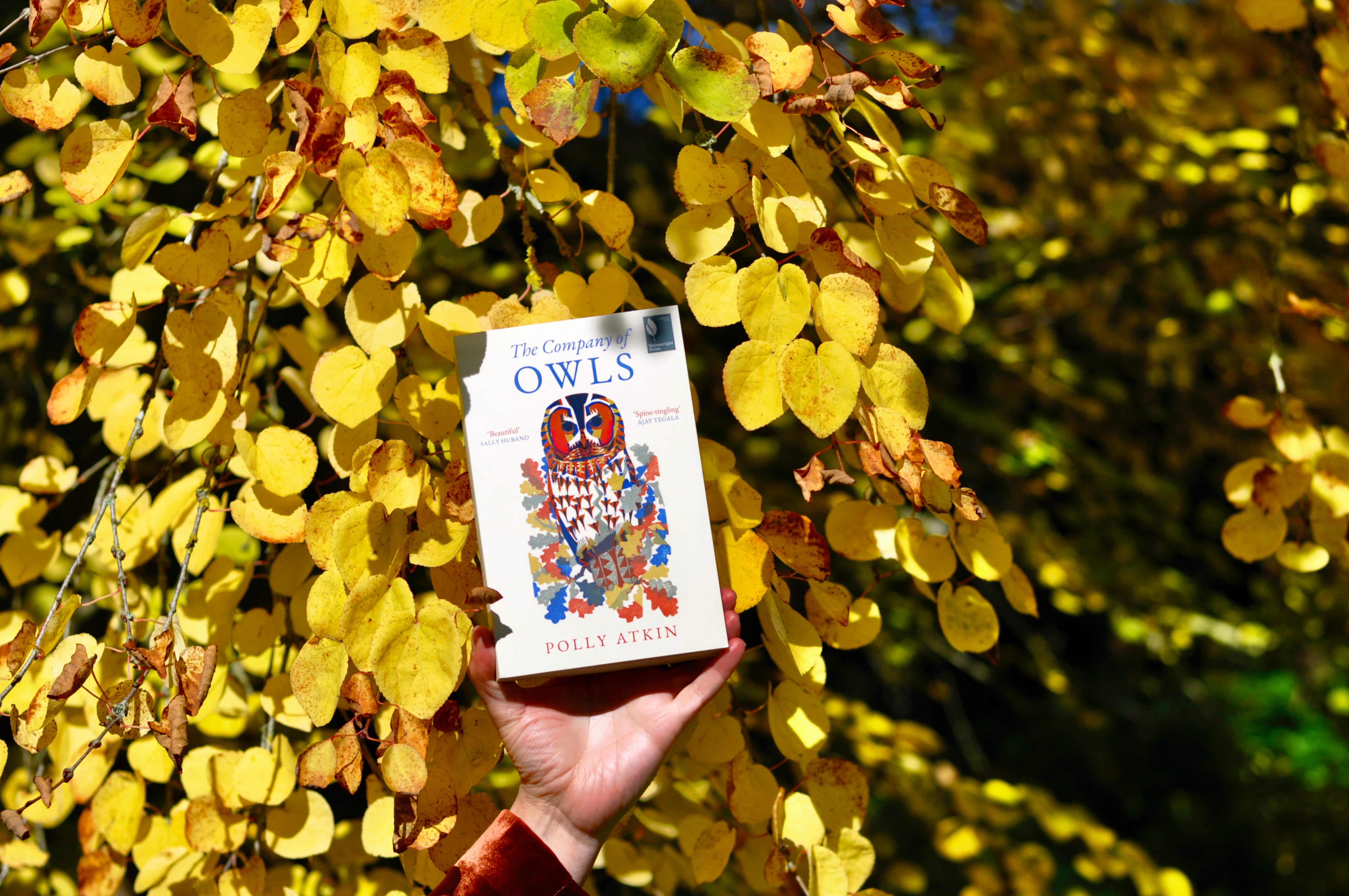
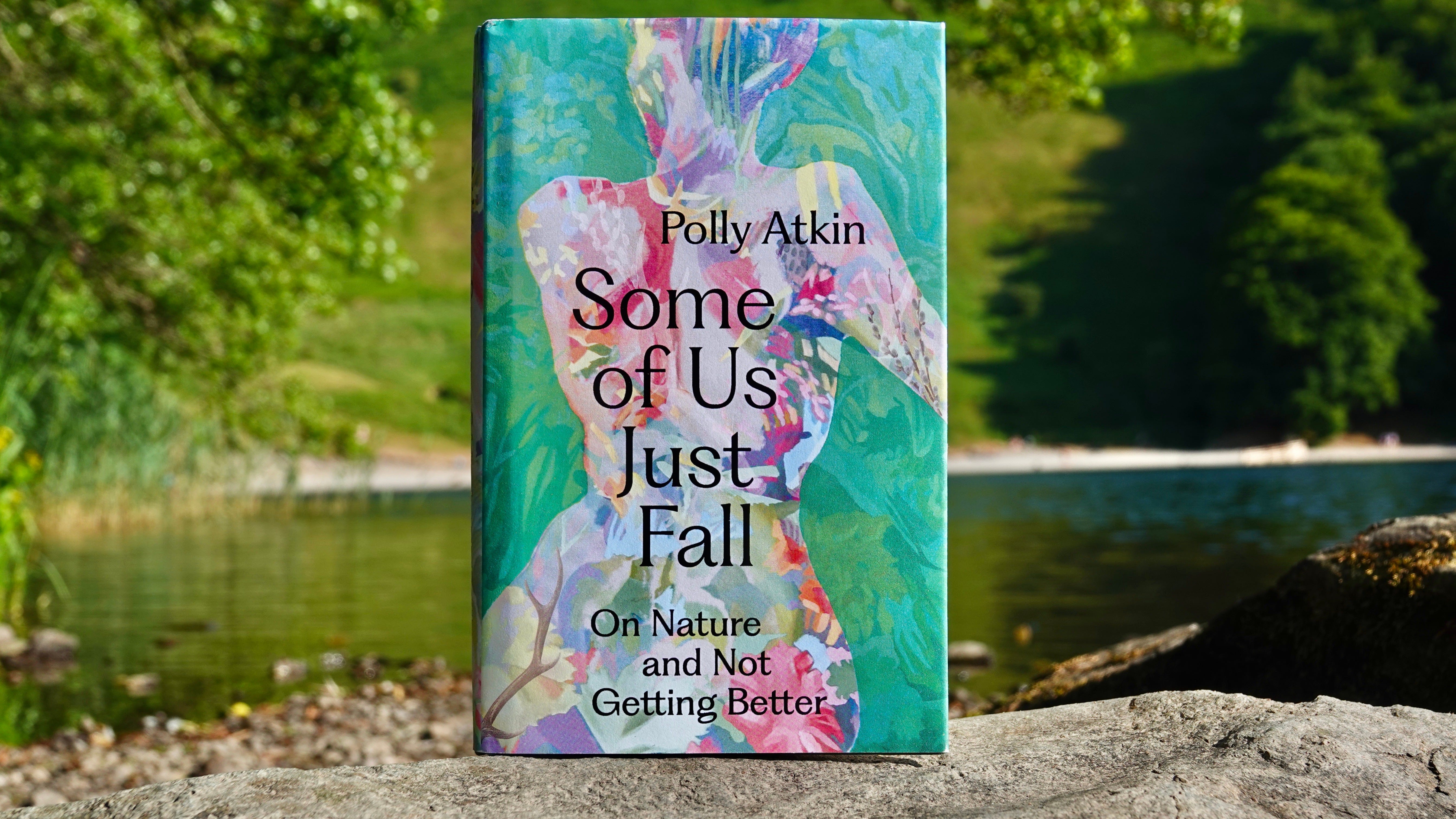
Look out for more news on my forthcoming books, but you can buy the last three at these links. The Company of Owls is out in paperback on October 16th. Some of Us Just Fall is also available on audio.
I've admired Polly's work for quite a while and really enjoyed this deeper dive into her creative process.